

SWFL Insurance

SWFL Insurance

How a Wind Mitigation Inspection can Save you Money

Wind mitigation inspections almost always save you money on your home insurance pricing. Why do we even need one? What are they? Why Wind Mitigation In the early 2000s, following several intensely active hurricane seasons including 2004’s Charley, or 2005’s Hurricane Katrina, Florida saw a number of insurance carriers declare bankruptcy due to claims and claims costs. This caused many carriers to flee our state leaving homeowners high and dry and either unable to find coverage or being unable to afford it to purchase it. These inspections offer savings to your home insurance for 5 years so to me as an agent, my advice will always be to get one ~Tracy Lynne Rennspiess – Licensed Agent, SWFL Insurance What is a Wind Mitigation Inspection? Florida’s solution came in the form of wind mitigation inspections, this proved a means of safeguarding properties in targeted areas in the hopes that insurance carriers would increase their odds of insuring more secure, less damage susceptible properties. In 2006 Florida became the first state to mandate that insurance carriers offer insurance discounts if a wind mitigation inspection is completed by a certified inspector (usually a state-certified contractor, architect, or engineer). Savings will depend on your property’s features, the inspector will evaluate your property’s wind mitigating features and then make recommendations if he feels there could be improvements made to benefit you. What does an Inspector look for? Roof Covering – Inspectors want to know when a roof was installed and if it meets building codes. Typical roof coverings in Florida are composition, architectural tile, metal, and concrete tile. In Florida, the standard for roof coverings was updated in 2001. Roof Deck Attachment – Inspectors will determine what type of roof decking is used and how it’s attached to the underlying structure. They determine if it’s nailed or stapled down, if it’s nailed they determine how long the nails are and how far apart they are. Roof To Wall Attachment – The focus in this area is trusses, are they attached with nails or clips, are the metal wraps single or double? The more secure your roof, the more insurance savings you will enjoy. Roof Geometry – Is your roof hip shaped? Hip shaped is shaped like a pyramid, they offer the most discounts in this category and are the preferred shape of home insurance carriers. Other shapes are gable and at however be aware that many carriers surcharge for shapes other than hip. Gable End Bracing – If you have a gable style roof the inspector will review if the ends are braced to Florida Building Codes. Gable ends measuring more than 48 inches tall must be braced for reinforcement. Wall Construction Type – Inspectors will review the construction materials used for framing, reinforcement, and outer fascia, and what percentages. Steel reinforced concrete block offers a much better insurance discount than wood-framed/plywood walls/vinyl siding. Secondary Water Resistance – This is a water-resistant roof underlayment that provides protection in the event the primary roof covering is damaged or penetrated by hurricane-force winds and wind-driven rain. If your roof was installed or upgraded before 2008 you probably do not have this barrier which offers a substantial discount. Opening Protection – Inspectors are looking at your storm shutters, impact-resistant glass, and installed protection from windblown debris. To qualify for this discount 100% of your openings (doors and windows) must be protected. In Conclusion Only you can decide to spend money (roughly $100 to $150) on a wind mitigation inspection. I can tell you if you live in coastal Florida, the peace of mind that your home can withstand the hurricanes we are prone to, is priceless. Also, these inspections offer savings to your home insurance for 5 years so to me as an agent, my advice will always be to get one. Also Read: Do I Need Flood Insurance In Southwest Florida?

SWFL Insurance

Life Insurance is for People of All Ages

Life Insurance is for People of All Ages Many people think that they only need life insurance as they get older and have a lot of financial obligations. However, you can still face death at any time of your life and it’s often best to have a plan in place in case of a worst-case scenario. Enrolling in life insurance early is not only a secure step, but it’s also a financially responsible decision. You might not think that you have a lot to lose while you are young. However, even if you are just embarking on your life and career, you begin to accumulate financial assets from day one. You also have priorities, responsibilities and loved ones to take care of. You might not be thinking about your eventual death, which is hopefully decades away. However, the fact is that you could pass away at any moment. If you do, then you could leave certain obligations unattended. By having life insurance in place, you’ll have a resource available to help your loved ones, whoever they might be, settle your final affairs.With life insurance, you designate a certain amount of money to help a loved one be able to handle your final expenses or replace income lost as a result of your death. Often, a permanent life insurance policy (whole life insurance) is the best policy option to buy while you are young.Once you enroll in a whole life policy, the coverage will last indefinitely if you continue to pay your policy premium. Therefore, even as your life, health and financial situations change, you will still have a life insurance policy in place. Not only can the policy guarantee a death benefit that will pay out on your death, but it can also accumulate a cash value benefit that will allow you to accumulate savings that you might be able to use as a source of income later in life. Another life insurance benefit that might benefit you is a term life policy. This coverage only lasts for a certain number of years and is often more affordable than whole life coverage. If you want to use life insurance for a specific cost, such as funding a child’s education, then you can buy a term policy that lasts until your child finishes school. Many people who have multiple cost obligations such as mortgages, debts, student loans and other living costs buy term life policies to correspond with these expenses for as long as you have them. It generally is easier for you to buy a life insurance policy while you are still young because of the cost benefits. Not only is your health often better at this time, but your risk of death is also lower. Therefore, you are more likely to qualify for optimized coverage at affordable rates. Never hesitate to buy life insurance while you are still young enough to make it work.

SWFL Insurance

Do I Need Flood Insurance In Southwest Florida?

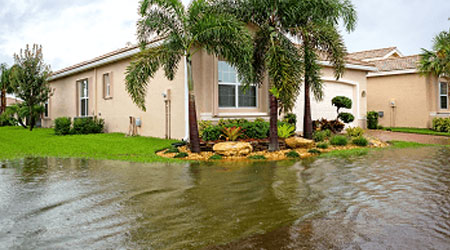
The short answer, if flood insurance is not required, you may want to consider it anyway. Keep reading to find out why. Do you know what the most common natural disaster in the United States is? It’s flooding, but did you also know that the typical home insurance policy doesn’t cover it? The same is true for condominiums and renters policies, most insurers will not cover flooding…unfortunately, most people don’t find out until it’s too late and their property is underwater. There is no such thing as a “flood free” zone in Florida. The average elevation in Florida is 6-7 feet above sea level. So, every storm season carries with it the possibility of flooding damaging your home and your personal property. Flood zone maps calculate the risk of flooding in a certain area. Mortgage companies use these maps to decide whether or not to mandate flood insurance for buyers purchasing homes. It is mandatory to carry flood insurance if purchasing in a high-risk flood zone with a federally regulated bank. It’s best not to wait till a storm is on the horizon or we are in the middle of hurricane season to apply. ~Tracy Lynne Rennspiess – SWFL Insurance What is a high-risk flood zone? These zones designated by FEMA (Federal Emergency Management Agency) with the letters A or V on the FEMA flood map. When purchasing a home in a high-risk flood zone it is wise to obtain a Flood Elevation Certificate. A qualified surveyor charges an average of $80 to $100 in price. The certificate shows how your property’s elevation compares to the FEMA base flood elevation on a flood map. Your properties’ lowest elevation is compared to the base flood elevation to determine how much flood insurance will cost. A Realtor can check with the seller as they may already have a flood elevation certificate to give you. The same holds true for buying new construction. More than likely the builder will have one and can give you a copy to share with your insurance agent. But the house I’m buying is in a low-risk flood zone? Moderate to low-risk flood areas are designated with the letters B, C, and X on FEMA flood maps. Low to moderate-risk flood zones account for 20% of all flood claims so being in these areas does not mean you don’t need flood insurance. Property Owners in these areas are eligible for lower-cost flood insurance known as Preferred Risk Policies. These policies can be very inexpensive but keep in mind if flood insurance is not mandated by your lender there is a 30-day wait before it goes into effect. It’s best not to wait till a storm is on the horizon or we are in the middle of hurricane season to apply. In Florida, the average price of a flood insurance policy is $500 a year. It can only be purchased through a licensed, insurance agent. When discussing home insurance policy pricing with your agent, don’t overlook flood protection. It’s affordable, practical, and claims are paid even if a disaster is not declared. Flood insurance rounds out your insurance protection here in the sunshine state. Here in Florida, when it rains it pours. Be prepared.

SWFL Insurance

How is Business Interruption Compensation Calculated?

How is Business Interruption Compensation Calculated? With many businesses put on hold due to COVID, wildfires and other unexpected incidents, many business owners are scrambling to search their policy for business interruption insurance. This insurance can compensate a business for money lost while the business is unable to operate normally due to government mandate, environmental disaster and more. But how does business interruption work and how is compensation calculated? Key Factors to Business Interruption There are three key ingredients to calculating business interruption insurance: the number of hours or days the business is unable to operate, the quantity of goods normally produced or sold within this time, and the value of each production unit. If you multiply the time by the quantity and the value, you can usually get a good estimate of what your business interruption insurance compensation will be. This can be complicated depending on your industry and how long your business remains unable to operate. Many business interruption coverages have a set limit on how long you can receive compensation, after which you will have to find a way to pay for losses out of pocket. Determining the quantity of goods normally produced or sold is one of the most difficult parts. If production or number of items sold varies, it can be difficult to find an even middle ground in which you can receive compensation. A claims adjuster from the insurer will generally investigate your claim and consider the anticipated production against the history of your production or sales. From there, they can estimate how much you were set up to sell or make depending on the value of each unit and how much you were in line to produce or sell. Proving Loss for Business Interruption One of the trickier parts about actually filing a business interruption claim is proving loss. When you know that you will be losing money, it is difficult to ask for help unless you have already suffered that financial loss. Proof can be provided through meetings and statements as well, however. Always make sure to keep an accurate record of your business’ sales and production periods so you can easily point your insurer in the direction of your losses. Trying to get more money by insisting that your projected earnings were much higher than previously may lead to skepticism, however, and won’t necessarily help your business obtain more compensation for losses.

SWFL Insurance

Have a Mortgage? You Need Homeowner’s Insurance

Have a Mortgage? You Need Homeowner’s Insurance Very few people can afford to pay for a new home in cash. That’s why most home buyers finance their home with a mortgage or other property loan. Once you take out a loan, it is your responsibility to repay it to the bank over the years. However, what happens if something happens to your home in the meantime? Various hazards could cause significant property, and sometimes those hazards might destroy the home. As a result, both the homeowner and the lender might lose the investment they have made in the property. Still, that doesn’t mean you are off the hook to pay off the rest of your mortgage. To protect their investment in your property from such hazards, most lenders require property owners to carry homeowners insurance. Usually, this requirement will mean buying dwelling coverage worth at least your home’s replacement cost value. However, some policies pay for your dwelling based on its actual cash value, and you likely won’t be able to buy this coverage.Here’s how each works. Actual Cash Value Coverage This is often the cheapest form of protection available for your dwelling. When deciding how much money to issue following a claim, your insurer will consider the home’s depreciated value, rather than the value necessary to rebuild the home like new. A home’s structural value often decreases over time (often even if property values increase). Think of this depreciation in the same way you would a car that loses value the older it gets. Therefore, the money you receive in the end might not be enough to fully repair the home. Most homeowners policies these days do not offer this coverage. Therefore, it is exceedingly rare to find, and most mortgage lenders require buyers to purchase more coverage anyway. Replacement Cost Coverage Replacement cost coverage more closely matches the costs necessary to rebuild your home. To determine your home’s replacement cost value, you’ll need to factor in the cost of materials, labor and other assets necessary to repair or rebuild you home. So, if it will cost $300,000 to rebuild your home, then you will need at least $300,00 in structure coverage as your coverage limits. You might need to periodically review your dwelling coverage limit as a home’s replacement cost changes with inflation and other market differences. A failure to do so might mean that you might not be able to rebuild your home like it was before the damage occurred. To determine the right dwelling coverage limit, work with your insurer, realtor and lender to calculate the minimum coverage necessary. You can always buy more than this minimum coverage to provide expanded protection against even the costliest losses. The more coverage you have, the better protected your dwelling will be.

SWFL Insurance

Whose Insurance Do I Use if I Crash Someone Else’s Car?

Whose Insurance Do I Use if I Crash Someone Else’s Car? Crashing your own car, while scary, is relatively straight forward when it comes time to filing a claim. You can file a claim with your own insurer and generally receive compensation for damages and injuries you and your passengers may suffer, so long as you have the right insurance. But what happens if you crash someone else’s vehicle? Does your car insurance follow you? The answer is year and no. Initially, you should be covered under the other person’s car insurance policy. However, if their limits are reached, your own car insurance should cover the rest of your expenses. For example, say you cause a wreck in a friend’s car that ends up sending another driver and their passenger to the hospital. Once they have recovered from surgery, they seek compensation from you. Your friend only has minimum liability for their vehicle, which means there are thousands of dollars in medical bills you are still expected to pay. In this case, you should file a claim with your own car insurance policy. Your insurer and your friend’s insurer will generally work together to figure out who will pay what amount. Either way, you should be covered so long as you and your friend have car insurance. What Happens if You Crash Without Car Insurance? Say you crash your friend’s car but discover they do not have insurance on the vehicle. In this case, you will likely need to file a claim with your own insurance policy. If neither of you have insurance and you crash an uninsured vehicle, things can become more complicated and you could face legal repercussions for driving illegally. In an accident involving another person, their uninsured or underinsured motorist policy should cover their damages and injuries you may cause while driving uninsured. Otherwise, you will be expected to pay for your injuries and damages to the vehicle out of pocket. This can get expensive, especially when hospital bills are involved. Before getting behind the wheel of someone else’s vehicle, make sure they have car insurance. It is important that they also have more than minimum liability insurance so that you have protection in case of injuries in an accident. Also never only let those you trust drive your vehicle. They should have their own car insurance policy and a valid driver’s license, otherwise they risk not being covered.

SWFL Insurance

Medicare Advantage Plans 2021

The Medicare open enrollment period is here, and this year will likely be a record for the number of people signing up for Medicare Advantage plans for 2021. New Advantage plans being offered are providing more and more benefits to Seniors and are very attractive for people who have a lot of healthcare needs. They can cover services for common, necessary medical procedures and diagnosis, and help to provide peace of mind. That is often worth the monthly premium for many seniors who currently struggle to pay their healthcare bills every month. And, there might $0 premium plans available in your area. Any changes made during this time will go into effect on January 1st of the following year. Medicare Advantage Plans in 2021 will provide at least as much coverage as both Part A and B Medicare together (Original Medicare), although some plans offer additional benefits. Many advantage plans in 2021 will have Part D prescription drug coverage built into the plan, as well as dental, vision, and hearing coverage also included. Medicare Advantage Plans 2021 – 3 Big Changes For 2021 Due to Medicare advantage plan benefits improving each year, along with the recent Covid-19 pandemic and an effort to improve overall medical services for Seniors, the Center for Medicare & Medicaid Service (CMS) has initiated some changes to Medicare advantage plans in 2021. The 3 Major Changes to Medicare Advantage for 2021 plans are: A Medicare Part D drug plan Coverage Level Change (including donut hole parameters changing) An expanded Telehealth service offered to patients Changes to End-stage renal disease (ESRD) applicants Medicare Part D Drug Plans For 2021 For years Medicare has had something called the “donut hole”. This is a time when the cost of your medications reach a certain level, and you are in what is called a coverage “gap”. Historically when this happened your drug costs would rise dramatically. The Medicare Part D change in 2021 is raising the amount of money it takes to reach this donut hole, causing some to get in later than usual which is always a good thing. The amount it took to reach this gap in 2020 was $4020, and it’s being raise in 2021 to $4130. Expanded Telehealth Services In 2021 Another great change taking place to Medicare advantage plans in 2021 is the extended telehealth benefits. Members of advantage plans can now receive care in a virtual format in the safety and comfort of their own homes. Internet and conferencing via video makes this all possible, and it became a necessity due to the COVID virus. In all honestly, this was long overdue and is especially important for those who have trouble leaving the home. Any check-ins to your doctor can be performed via: Phone calls Video conferencing Using Text message Using the provider/patient website portal End-Stage Renal Disease Applicants In 2021 In the past, Medicare advantage plans were only available to people who had ESRD if they enrolled in one during their open enrollment period or changed during the Medicare Annual election (AEP) period each October. Due to an act in Congress called the 21st Century Cures act, in January of 2021 beneficiaries who have ESRD may enroll into Medicare Advantage plans and be eligible.

SWFL Insurance

When Does Life Insurance Payout?

When Does Life Insurance Payout? Life insurance is designed to compensate your loved ones in case of your passing, so most policies only payout once the policyholder passes away. The insurer must usually be provided with a proof of death, such as a death certificate. Most life insurance policies provide a lump sump payment for the beneficiaries listed on the policy. This is true for both term and whole life insurance policies, although there are some differences between the two. Payment for Whole Life vs Term Life Insurance Policies At their base, term and whole life insurance policies are different because of the length of time they are meant to cover. Term life insurance policies only cover a certain amount of years as chosen by the policyholder (such as 10, 20 or 30 years) while a whole life insurance policy lasts until it is cancelled or the policyholder dies. There is another difference when it comes to payouts, however. With a term life insurance policy, you cannot withdraw money while the policy is active. Benefits from this policy will only be paid if the policyholder dies while the policy is active. If the policy is canceled, or the policyholder dies after the term policy’s limit runs out, compensation will not be paid. Whole life insurance policies operate a little differently. Some whole life insurance policies, also known as permanent life insurance policies, allow the policyholder to withdraw small amounts of cash from their policy while it is active. This is called a cash-value withdrawal and is typically not taxed. For most policies, the insurer may have 30 days after a claim to investigate and approve the claim. At the end of this period, benefits may be paid to the surviving beneficiaries. You should not take money out of your life insurance policy without consideration, however. Withdrawing money can reduce the amount of benefits that can be paid at the end of the policy. As with term life insurance, a whole life insurance that is canceled before the policyholder dies will usually not provide benefits to any beneficiaries listed on the policy. Unless, however, it is a cash-value policy. A cash-value policy may allow you to receive cash value from the money accumulated once you cancel or “surrender” the policy. Take careful consideration before withdrawing money or canceling an insurance policy. A lack of coverage can leave your beneficiaries without compensation after your passing.

SWFL Insurance

How to Insure Your Roof with Home Insurance

Your home’s roof is one of the most important and expensive parts of the home. It keeps everyone inside safe, warm and dry, as well as keeps out anything unwelcome. Unfortunately, home insurance can grow a little complicated and expensive when it comes to insuring your roof. Carefully look at your home insurance policy regarding your roof. Some policies will pay for repairs but have limited to no coverage on replacement. There are also limits on coverage depending on where you live, the cause of damage and the condition of your roof. Insurance providers may not cover a roof that is old or badly damaged until the damage is fixed. They may also not cover damage that is caused by something preventable. For example, say a few shingles are loose on your roof. It’s not too bad, so you ignore it for now to save up money to fix it. The next week, it rains, and a leak breaks out where the shingles are missing, soaking your office. Your insurance provider may not cover this damage because it was preventable if you had fixed the roof before it rained. Homeowner mistakes or negligence are generally not covered under home insurance. Repair and Maintain Your Roof Before purchasing a home insurance policy, have your roof appraised by an expert and fix anything that is broken, missing or askew. Check on it after every storm, especially storms with hail, to evaluate the damage. Maintenance can not only help your home insurance policy, but it can prevent you having to file a claim. Improve the Roof Making improvements to your roof or upgrading to a hail-resistant roof can help protect your home and prevent a claim by lowering the impact of bad storms. This can also prevent denied claims due to certain circumstances that are not covered. For example, some hurricane and storm damage will not be covered in states with frequent hurricanes, such as Florida and other states along the coast. Review the Replacement Cost Value of Your Roof If you do make any changes to your roof, be sure it reflects on your insurance policy. If you make upgrades on your roof but fail to notify your insurance provider, you may not be covered for damages. This is because the value of your roof went up, but your policy was designed only to cover your original roof.

SWFL Insurance

I Hit My Mailbox, Will My Car Insurance Pay?

We’ve all made careless mistakes from time to time, including behind the wheel. If you have ever backed into your mailbox, you might find yourself annoyed, but hopefully unharmed. Your car, however, might sustain damage and so might the mailbox. As a result, you might have to file a claim against your car insurance to make the necessary repairs. You will still have to make sure that your policy covers the cost of the damage, however. Sometimes, limits on coverage might apply. Getting Car Insurance for Mailbox Collisions When driving, you are ultimately responsible for the safe operation of the vehicle. If you have ever hit another object, therefore, then the accident is likely your fault. After all, an inanimate object cannot suddenly appear in the roadway. As a result, you will have to use your own car insurance to pay for the damage costs. Suppose, for example, that when backing out of your driveway one day, you miscalculate your clearance and hit your mailbox. The bumper and sides of the car sustain various dents and damage. You’ll probably want to have the car repaired. However, you’ll have to make sure your car insurance applies. Car Insurance for Object Collisions On its face, car insurance is likely able to help you pay for the damage caused by backing into your mailbox. This accident was obviously something you didn’t plan or intend to happen. Still, you might find your coverage is more limited than you thought. To pay for damage to your car, you will likely have to make sure you have collision insurance on the policy. Collision coverage pays for damage to the vehicle that occurs when you hit something. It goes without saying that hitting your mailbox falls into this category. However, many car insurance policies don’t automatically include collision insurance. If you don’t indicate you want coverage when you buy your policy, then you won’t have it unless you add it later. You cannot add it after an accident and expect it to apply retroactively. Most collision policies will include damage deductibles. You will have to pay the cost of the deductible towards the repair costs on your own. For example, if you have a $500 deductible and sustain $3,000 in damage, then you will pay $500 and your policy will pay the remaining $2,500. If the cost of the damage is less than the deductible, then you cannot receive any help from the policy. To determine how your policy will pay for your vehicle’s damage, talk to your insurer. They can help work out if your collision insurance will apply to your vehicle’s damage. Keep in mind, however, that car insurance won’t pay for damage to the mailbox itself. You will have to pay for the repairs using a separate outlet.

Scroll to Top